
Watching Nitrate!
The eighth Nitrate Picture Show is opening today on the site of what used to be the estate of Georges Eastman, founder […]
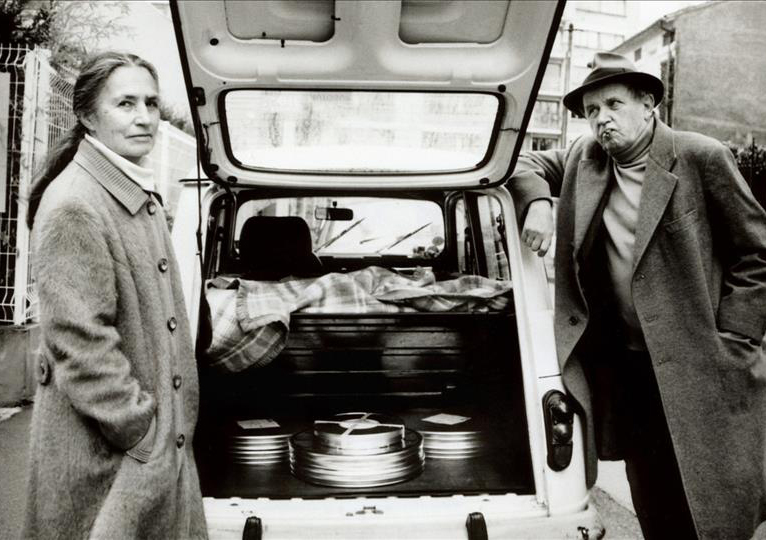
“Thingness over Illustration” All Straub-Huillet on film in Paris
Covering the 1975 New York Film Festival, critics Manny Farber and Patricia Paterson described the style of Moses and Aaron […]
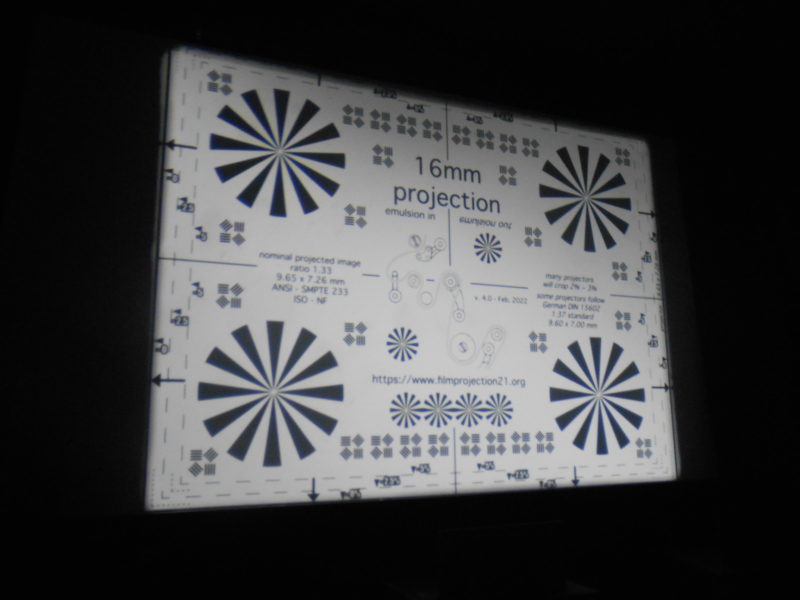
Introducing filmprojection21’s 16mm test film
A unique 16mm test film has been produced under the banner of filmprojection21 by L’Abominable with the dedicated tools that […]
filmprojection21.org est une initiative construite autour de l’engagement concret que représente la Charte de la projection cinématographique au XXIème siècle, rassemblant celles et ceux à qui la projection du film sur support photochimique importe.
Cinéastes, artistes, producteurs, conservateurs, distributeurs, programmateurs ou spectateurs, impliqués dans le réseau des festivals, des archives, de l’art contemporain, des salles indépendantes, et dans tous types de productions cinématographiques de l’industrie à l’underground, nous affirmons ici l’importance de construire un futur à la projection photochimique et partageons des ressources dans ce but.

Helga Fanderl
“I love making films with a Super 8 camera, reacting to serendipitous discoveries and transferring experience and perception, atmosphere and […]
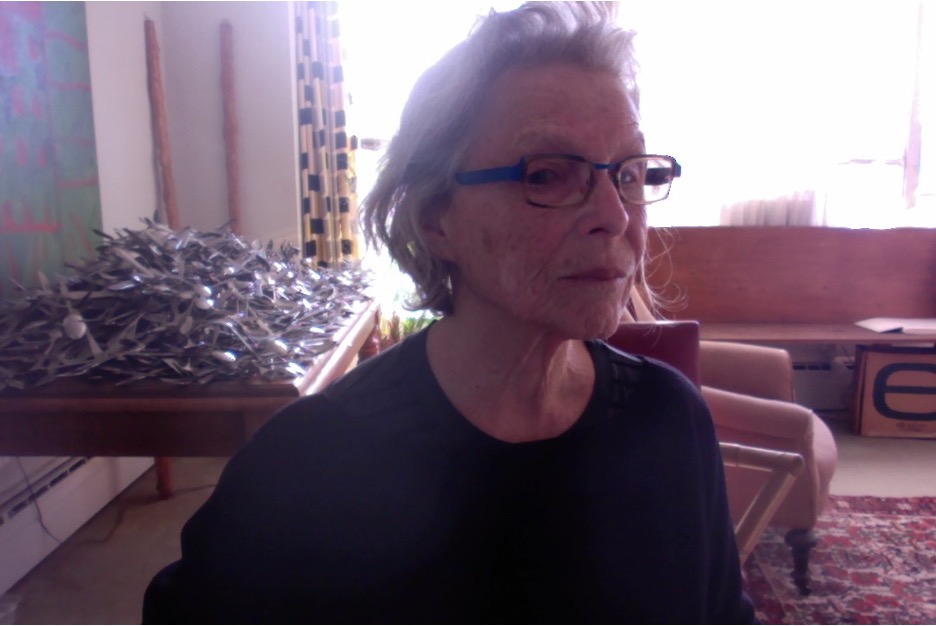
Barbara Sternberg
“Well, there are two phases: making and showing. Film and digital video are two different media and ideas come to […]
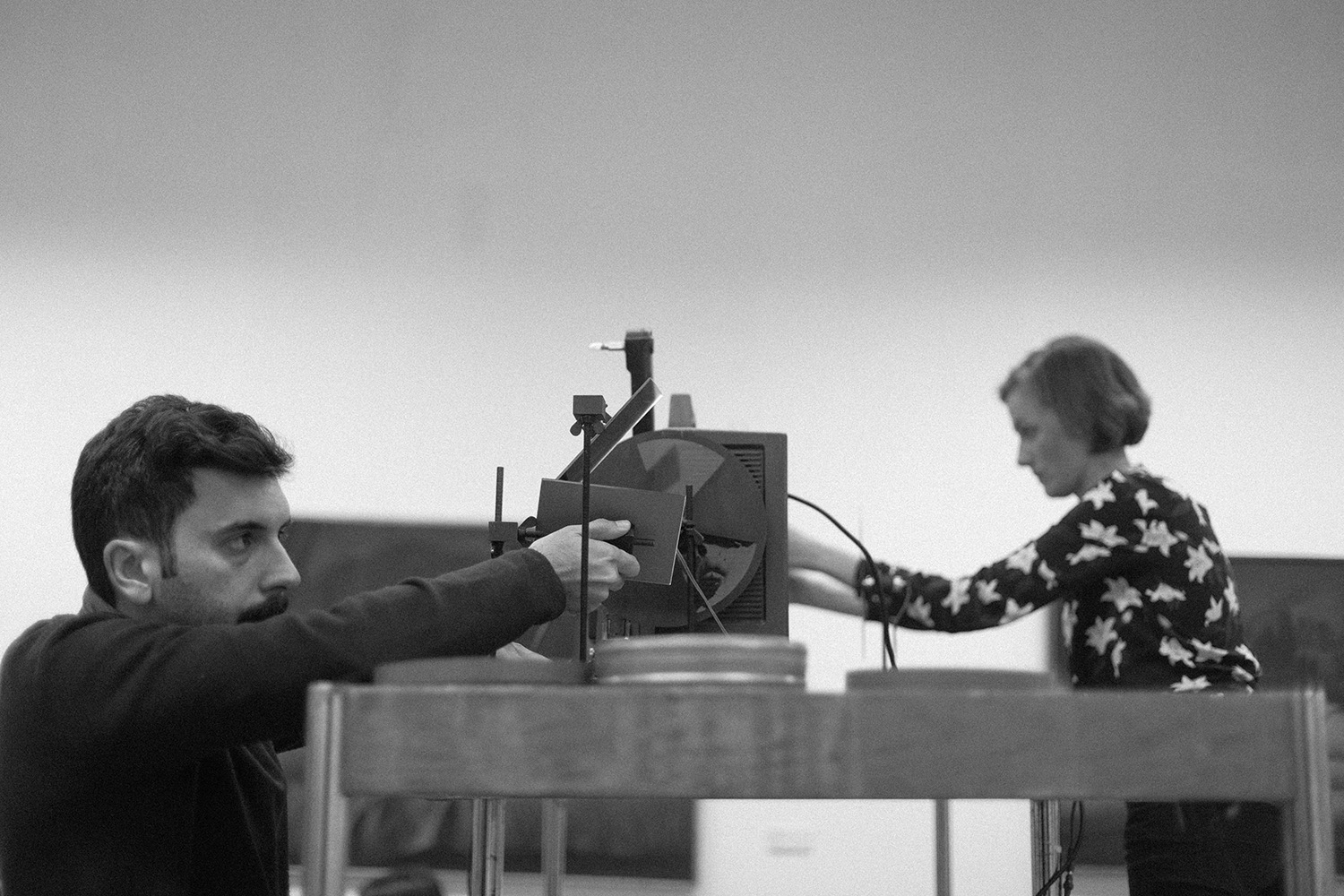
OJOBOCA
“We make prints because we believe that analog projection is a central element of the cinematic ritual as we understand […]
Viktoria Schmid
“Each projection of film is unique and lively. It is always an exciting moment when the projectionist is hopefully focusing […]
Alexandre Larose
“When it comes to projects that I shoot and (re)work on film, I make photochemical prints – first of all, […]
Antoinette Zwirchmayr
“I think it’s about a feeling. In the digital space our feelings are getting more and more lost. Analog film […]
Nathaniel Dorsky
“My films only exist as 16mm film prints and are available to the public for rental at Canyon Cinema in […]
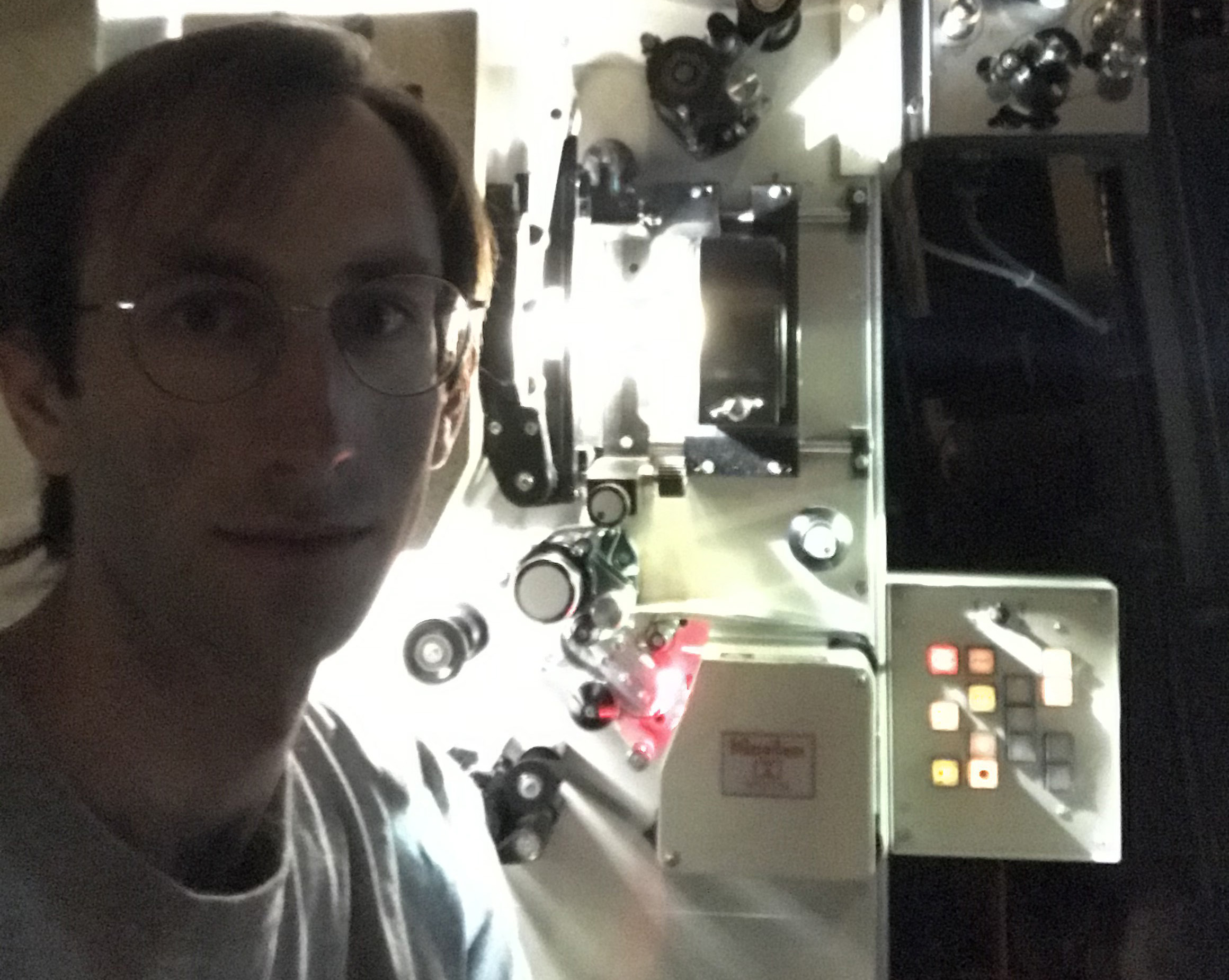
Ted Fendt
“I began making films just as film projection began to wane and digital projection became omnipresent. I remember at that […]
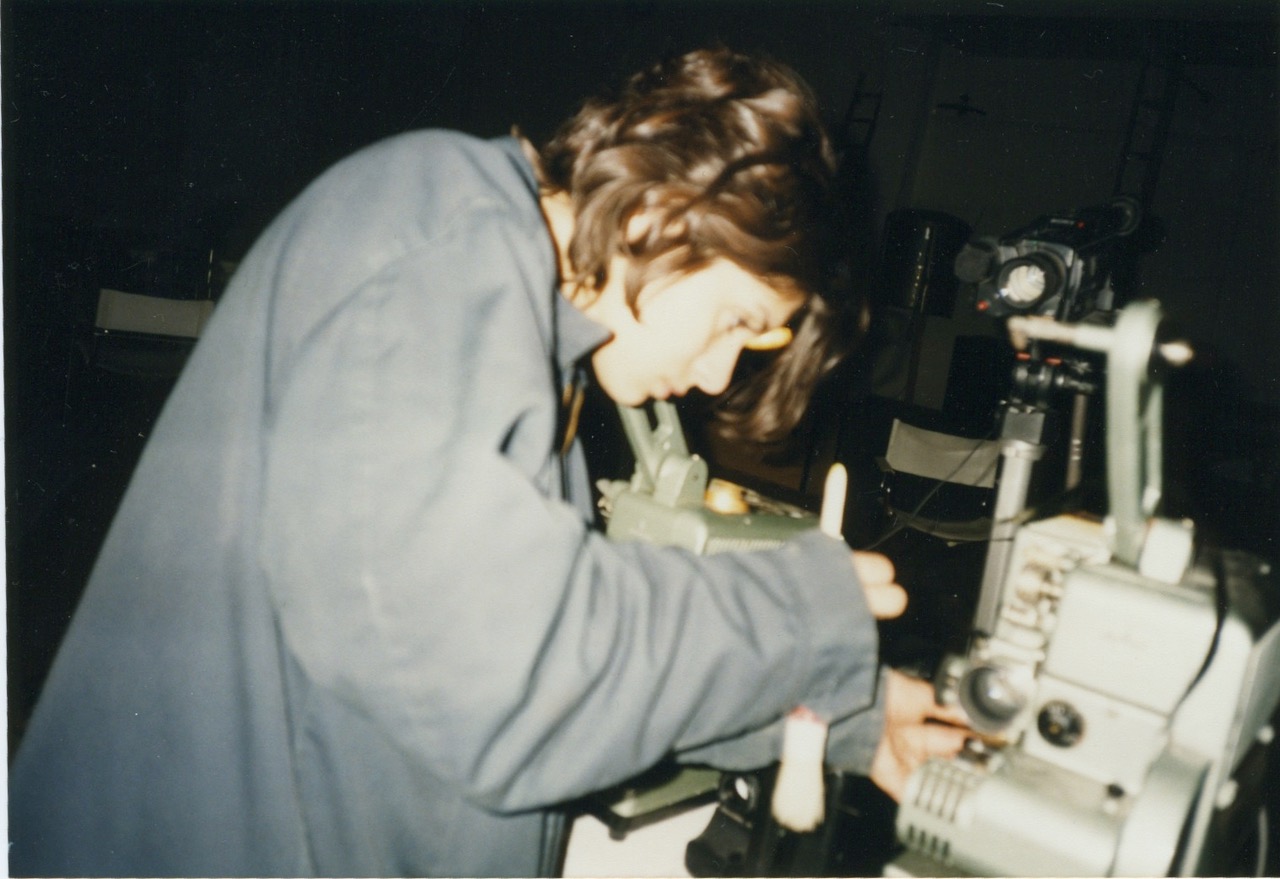
Rosa Barba
“When you work with analogue film there are limitations that force you into making decisions. I found out there is […]
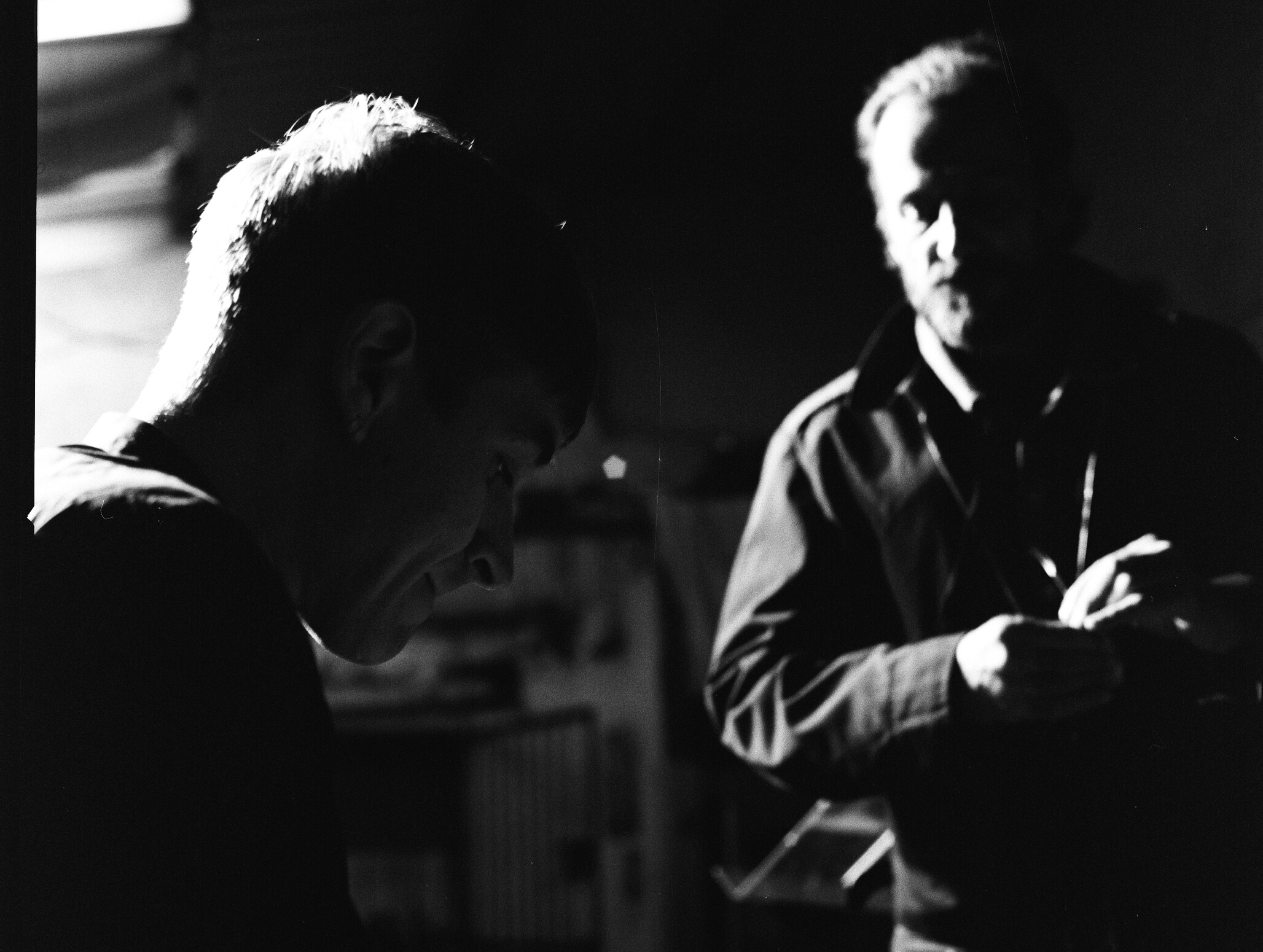
Stanley Schtinter
“Digital projection is to film what the postcard reproduction is to painting. It is the Van Gogh calendar. It is […]