
Watching Nitrate!
The eighth Nitrate Picture Show is opening today on the site of what used to be the estate of Georges Eastman, founder […]
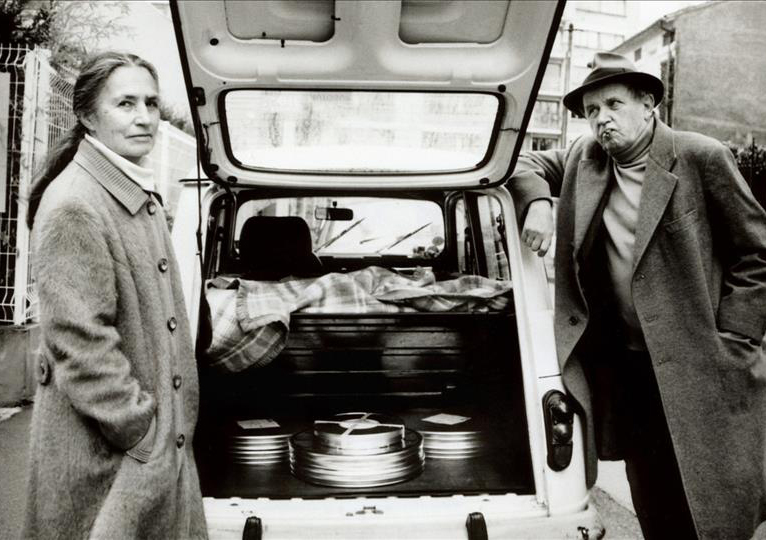
“Thingness over Illustration” All Straub-Huillet on film in Paris
Covering the 1975 New York Film Festival, critics Manny Farber and Patricia Paterson described the style of Moses and Aaron […]
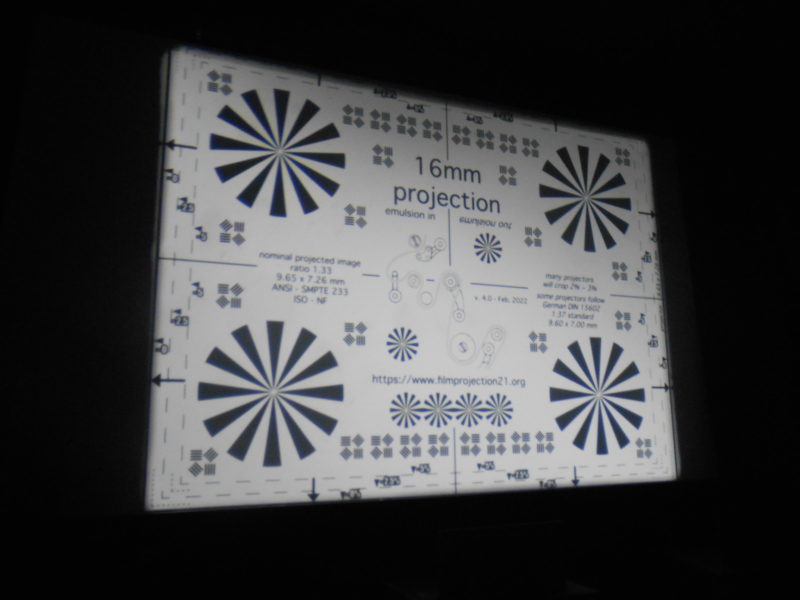
Introducing filmprojection21’s 16mm test film
A unique 16mm test film has been produced under the banner of filmprojection21 by L’Abominable with the dedicated tools that […]
filmprojection21.org es una iniciativa elaborada en torno al compromiso concreto que representa la Carta de la proyección cinematográfica en el siglo 21, reuniendo a aquellas y aquellos a quienes la proyección en soporte fotoquímico les importa.
Cineastas, artistas, productores, conservadores, distribuidores, programadores y público, involucrados en la red de los festivales, el mundo de los archivos, el arte contemporáneo, las salas independientes y dentro de todo tipo de producciones cinematográficas, desde la industria hasta el underground, afirmamos aquí la importancia de construir un futuro a la proyección fotoquímica y compartimos recursos en este sentido.

Helga Fanderl
“I love making films with a Super 8 camera, reacting to serendipitous discoveries and transferring experience and perception, atmosphere and […]
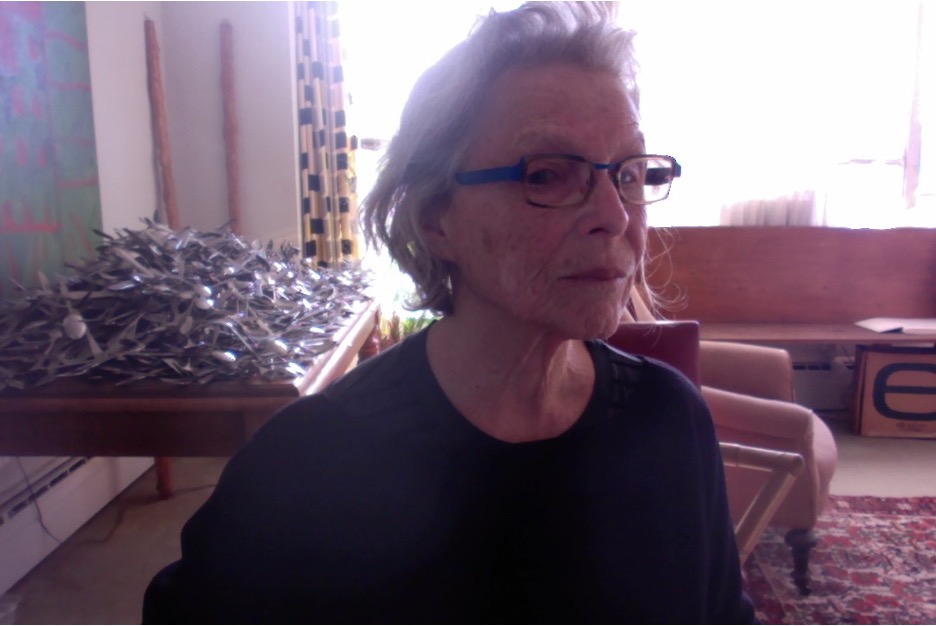
Barbara Sternberg
“Well, there are two phases: making and showing. Film and digital video are two different media and ideas come to […]
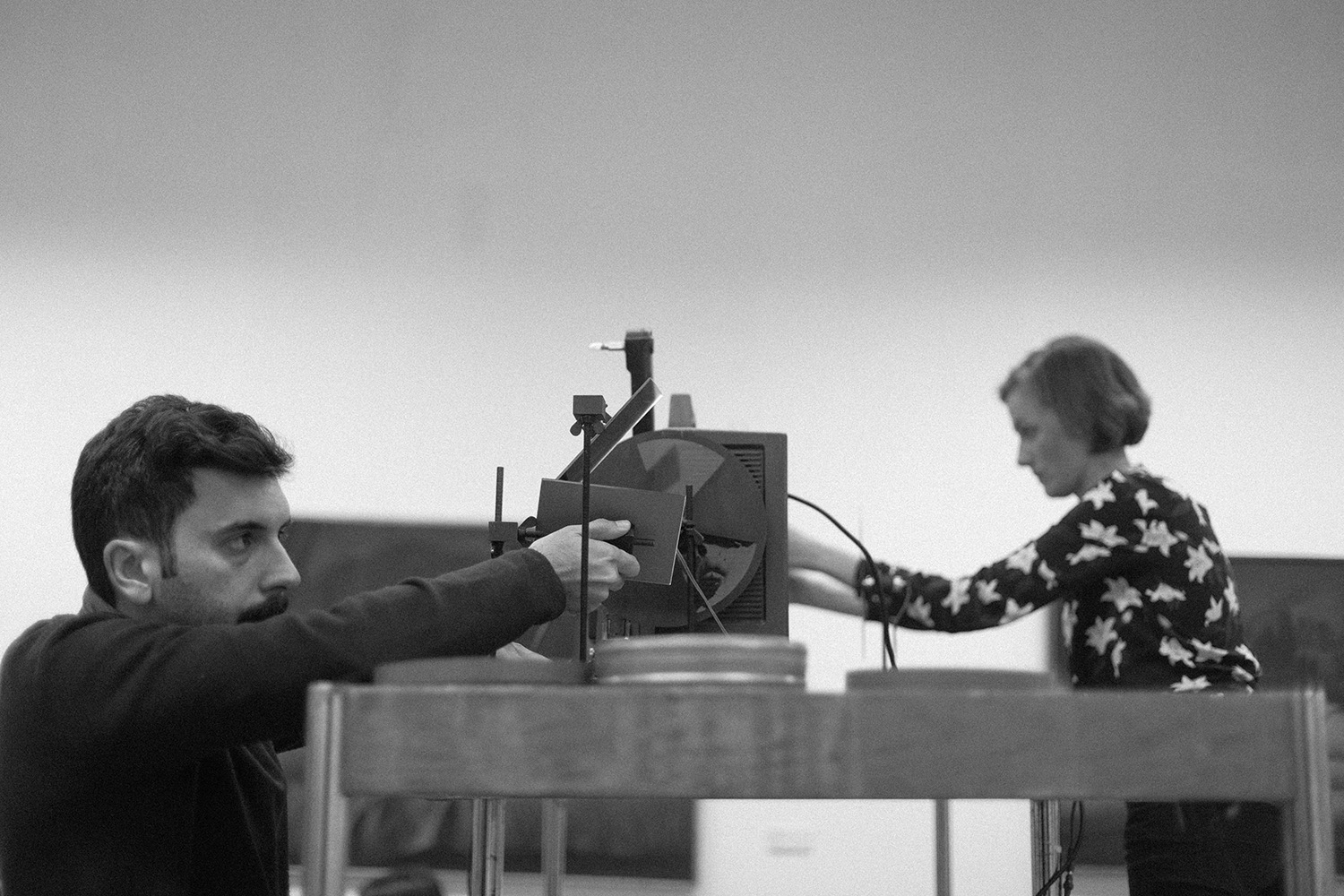
OJOBOCA
“We make prints because we believe that analog projection is a central element of the cinematic ritual as we understand […]
Viktoria Schmid
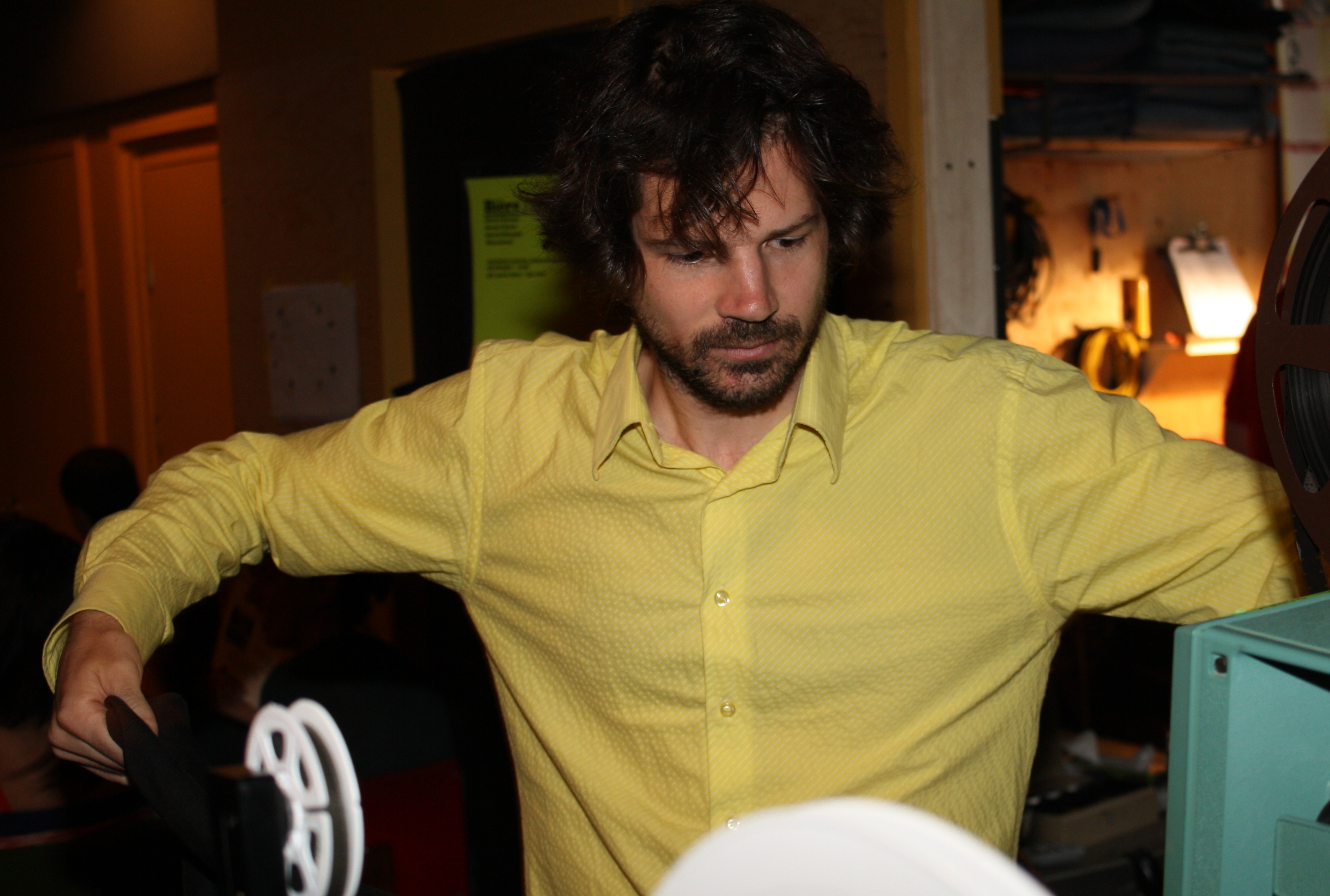
“Each projection of film is unique and lively. It is always an exciting moment when the projectionist is hopefully focusing […]
Alexandre Larose
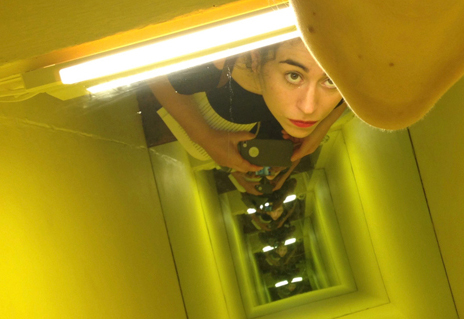
“When it comes to projects that I shoot and (re)work on film, I make photochemical prints – first of all, […]
Antoinette Zwirchmayr
“I think it’s about a feeling. In the digital space our feelings are getting more and more lost. Analog film […]
Nathaniel Dorsky
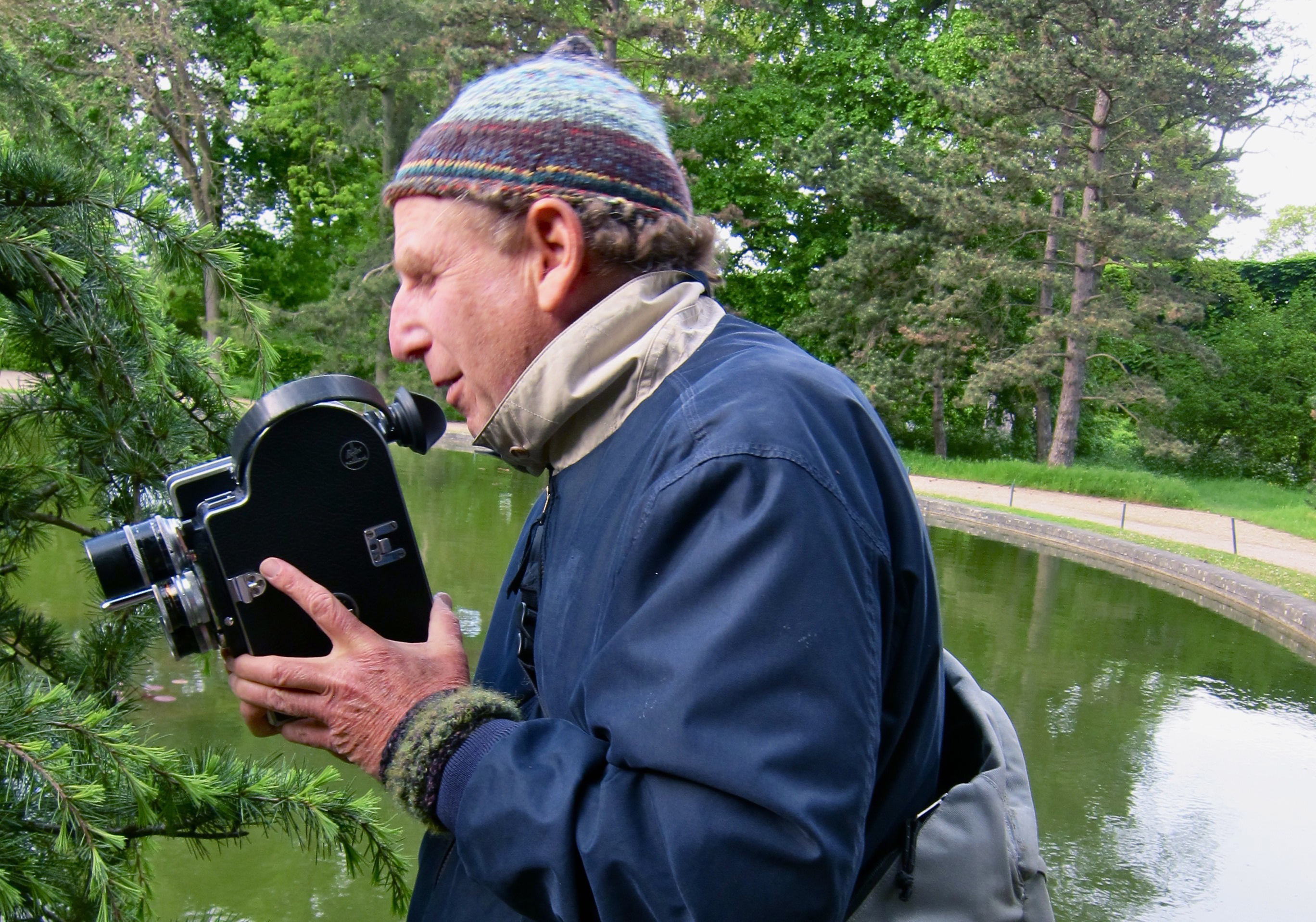
“My films only exist as 16mm film prints and are available to the public for rental at Canyon Cinema in […]
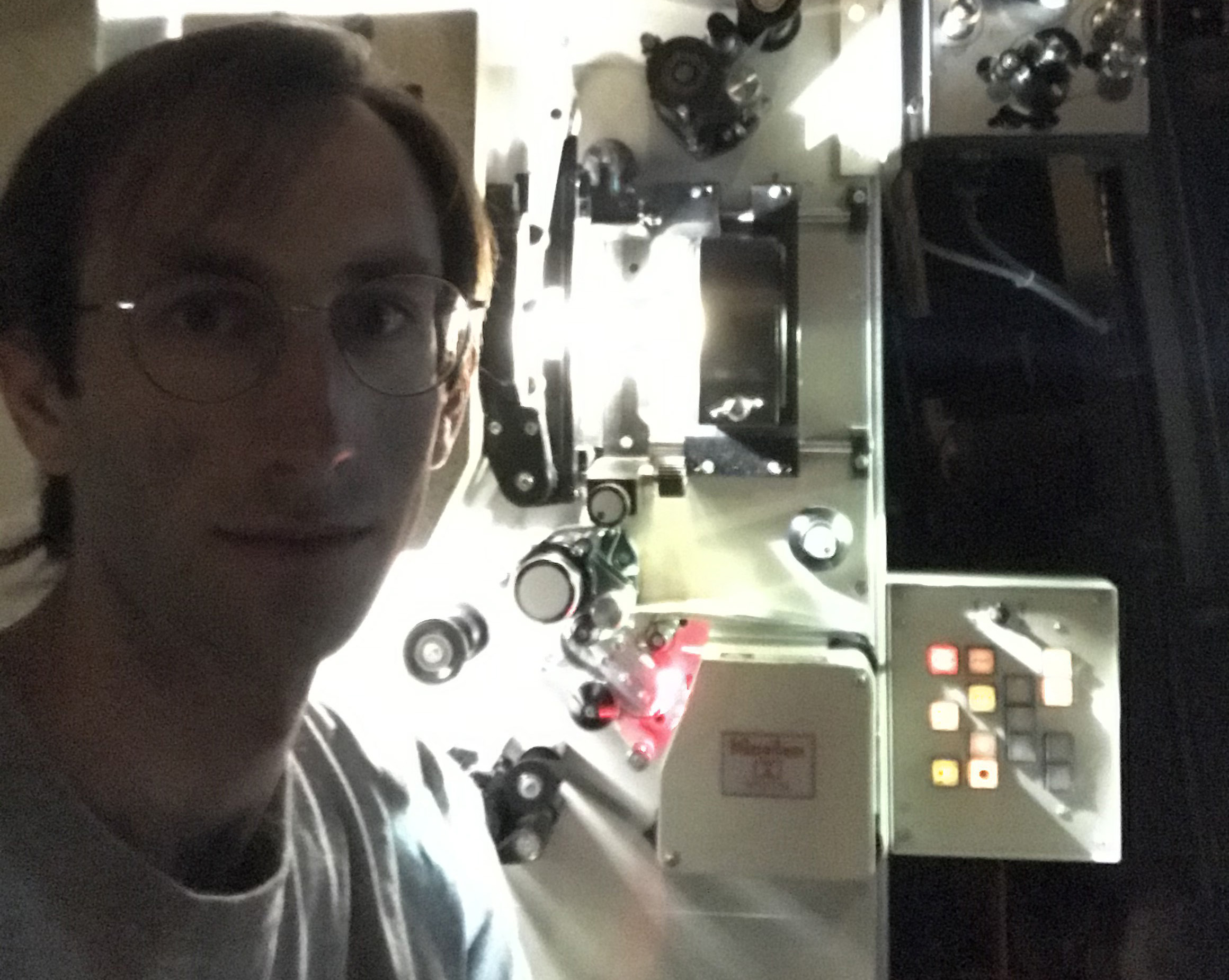
Ted Fendt
“I began making films just as film projection began to wane and digital projection became omnipresent. I remember at that […]
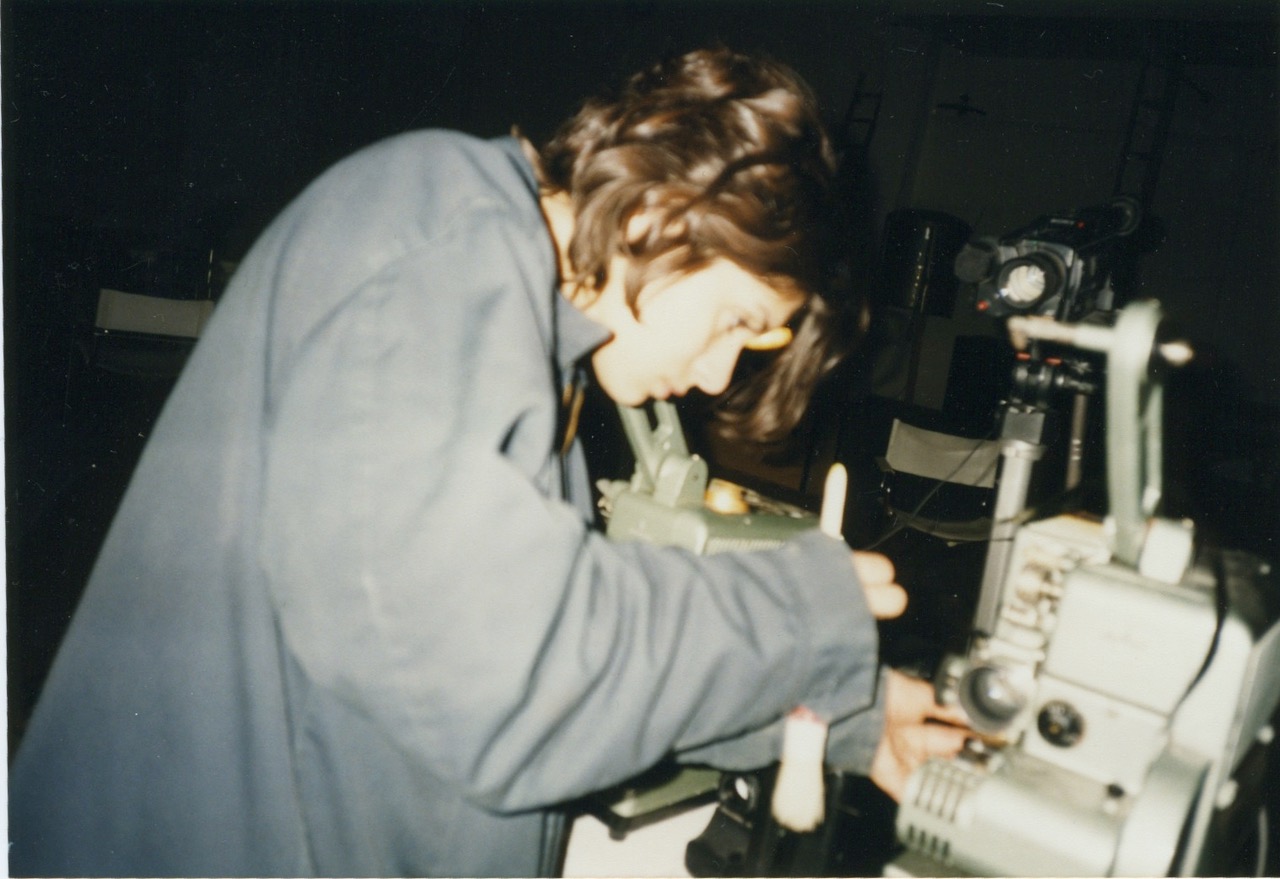
Rosa Barba
“When you work with analogue film there are limitations that force you into making decisions. I found out there is […]
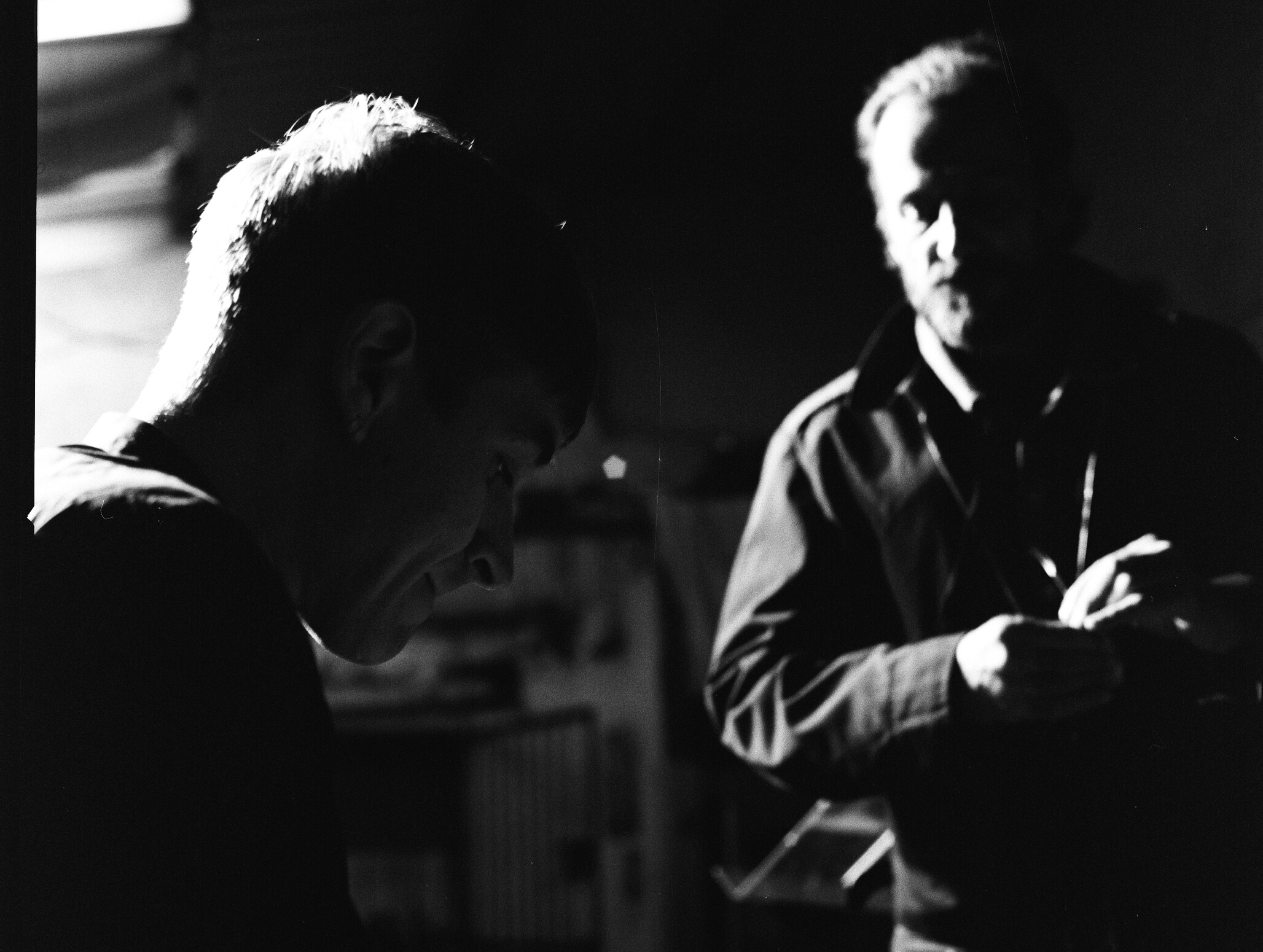
Stanley Schtinter
“Digital projection is to film what the postcard reproduction is to painting. It is the Van Gogh calendar. It is […]